
Corporate Finance
KPMG’s transaction services and M&A trends
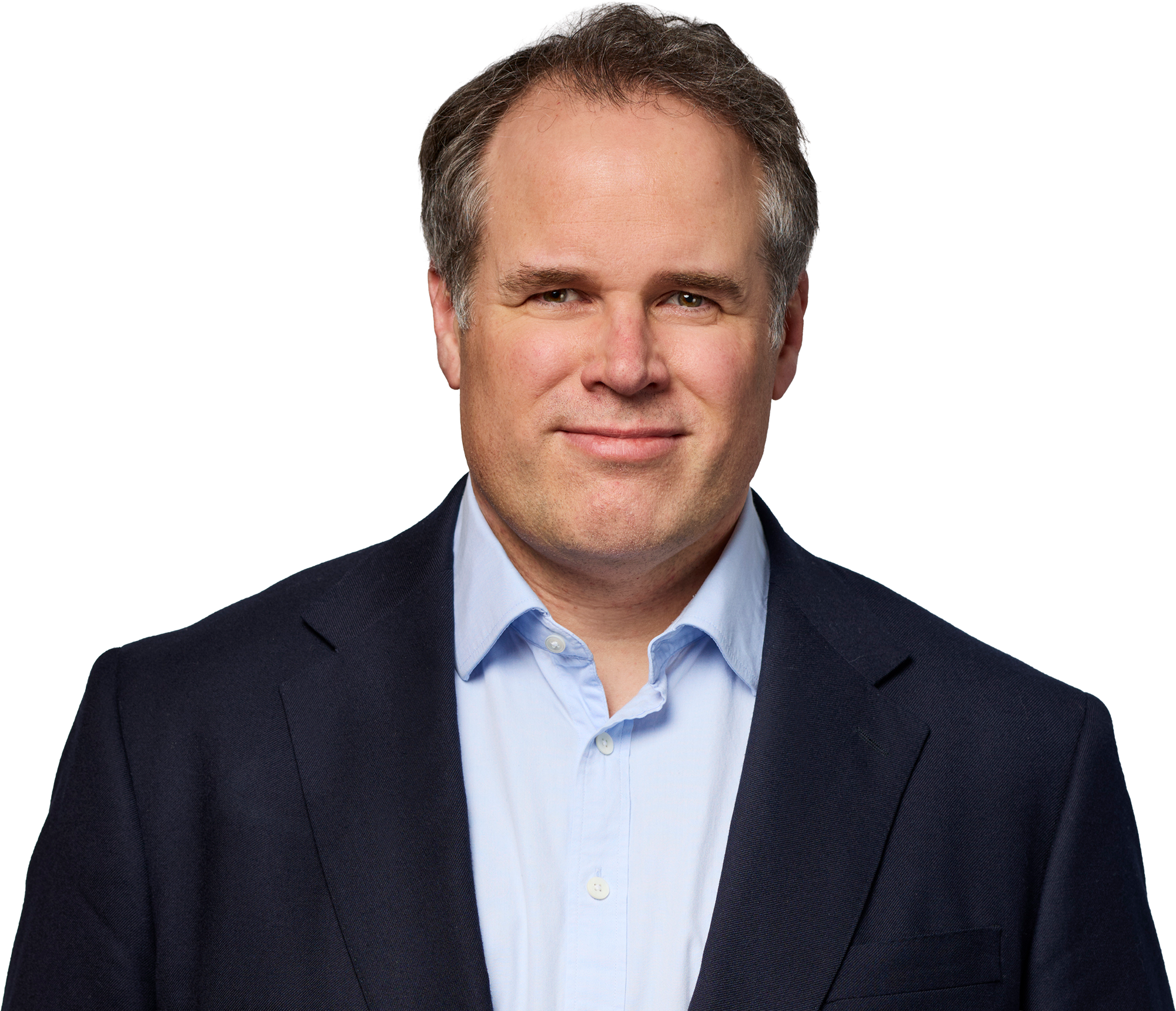
Josh Martin, global head of transaction services, KPMG, engaged with IAB to describe M&A trends and the fundamentals impacting dealmaking.
The white paper - Women, Wealth and the Workplace – amplifies the voices of women working in personal finance and urges the sector to increase female visibility and ease the path to leadership.
The WWA is hoping to assist with these aims via its roadmap for change, which looks to help level up female representation.
Informed by the survey responses of over 500 women, the WWA’s roadmap begins with:
- Publishing a career guide that demystifies roles and routes for women into the industry
- Developing a professional framework and CPD programme for financial coaching
- Creating a digital hub for development, mentoring, and the sharing of good practice
The paper also outlines actionable steps for advice firms, such as collecting gender data, rethinking hiring practices, and openly promoting female success stories, helping the profession to become more representative of its future clients.
Chair of the Women’s Wealth Alliance, Chartered Financial Planner, Vanessa Barnes, comments:
“This white paper distils key insights from over 500 women in personal finance and offers a practical roadmap for change. It’s clear that boosting female visibility and leadership isn’t just about fairness—it’s about strengthening the sector’s future.
We’re calling on both men and women to champion a more inclusive, resilient profession that reflects the clients it serves and inspires the next generation.”
But these results represent outcomes, not the underlying explanation. The real driver is what our firms are doing within their own markets: strengthening capability, developing new service offerings, and responding directly to the needs of clients navigating increasingly complex environments.
IAB: KPMG data shows an increase in carve-outs in the M&A and deals landscape. What is driving this activity? Will carve-outs continue to increase?
Josh Martin: For our 2026 M&A Outlook we surveyed 700 M&A dealmakers across 20 countries and jurisdictions. Half of these respondents expected carve-out volumes to rise significantly while almost none expected a fall. Boards are asking, more candidly than they used to, whether they are the best owners of every business they hold. Investors are rewarding focus and asking for capital back where it is not earning. And an uncertain world favours simpler companies – easier to steer, easier to value. We expect the rise to continue as the trend is structural rather than cyclical.
Andrejs Ponomarjovs, managing partner, AS “RSM Latvia”
IAB: Execution discipline appears to be a key differentiator in M&A success and transaction services. What are the most common risks that companies underestimate when pursuing M&A? How should they prepare? How do you support companies to maximise value?
JM: The biggest risks are rarely the ones people negotiate hardest over. When we asked dealmakers what most threatens a successful deal, many of the answers were operational – untangling operations from the parent, separating IT and data, talent retention. Deals are agreed on valuation, but they succeed or fail in the delivery. So, the best preparation starts early: an integration or separation plan built with the same rigour as the diligence itself, day-one readiness treated as a proper workstream, and a clear-eyed view of how synergies will be delivered. That is where we spend our time with clients to test the plan before signing, and staying involved long after to ensure value is delivered and doesn’t just remain on paper.
IAB: What do transaction services look like for accountancy and professional services firms? Do you have any insight on this sector?
JM: Diligence on a professional services firm needs a particular lens because the assets are people. Quality of earnings is very linked to the quality of partners looking at who holds the client relationships, how concentrated the book is and what the lock-ins and incentives look like. This picture is evolving with the growing investment into technology assets. Audit independence rules add a unique layer, shaping what can be bought and how it must be structured. The conversion from partnership to corporate ownership is itself a risk to test, because the economics that made the firm attractive were produced by partnership behaviours, and the question is whether they sustain under the new structure.
IAB: Are you noticing a surge in M&A activity among accountancy and professional services firms globally? What are key drivers of this activity?
JM: Approximately one third of the thirty largest firms in the US now have private equity investment or an alternative practice structure. The drivers are common with those of other consolidating industries including fragmentation, dependable recurring revenue, succession pressure inside partnerships, and growing technology investment requirements. The surest sign of a maturing market is that the first platforms have already been sold on from one sponsor to another. The model is crossing borders now, though regulation makes every jurisdiction its own case.
IAB: What are the sectors you are noticing interesting deal activity and carve-outs in particular? How does transaction servicing differ between sectors?
JM: We have noticed industrials, energy and consumer as the three largest sectors seeing carve-outs and each has its own flavour to add to the broader structural trend Industrial groups are restructuring around regional or integrated supply chains. Energy portfolios are being reshaped by transition. Consumer businesses are pruning brand portfolios as demand shifts. Transaction Services work focuses on testing the value, and that value lives in different places: recurring revenue in technology, the contract book in energy, brand health in consumer and the operational footprint in industrials. The disciplines of quality of earnings, working capital and net debt do not change, but the evidence that makes or breaks the investment case is very sector-specific. That is why we have sector specialists embedded in our diligence teams.
IAB: Companies globally are continuing to optimise their portfolios. What role and value does sell-side advisory and transaction services play in this process?
JM: Good sell-side work means being ready for the whole process, not just the data room. Our role is therefore much broader than ensuring that the financials reconcile and withstand diligence. We also feed into helping to shape and evidence the equity story – why the business wins, and why it is worth more to a buyer. For portfolio carve-outs, the separation planning is critical to provide buyers confidence in operational viability. A seller ready on all of those fronts keeps control of price, timetable and competitive tension.
IAB: Are you noticing any trends across different jurisdictions? How does geography come into play with transaction services?
JM: The striking trend is that deal value is running far ahead of volume—driven by transformational pressures reshaping how organisations pursue growth. Geopolitical fragmentation, regulatory volatility, and accelerating technological change are compelling organisations to make fewer, but larger and more strategic moves. Rather than pursuing incremental expansion, boards are backing higher-conviction transactions aligned to clear strategic intent, recognising that value creation depends less on scale alone and more on disciplined execution in a volatile environment. The Americas are leading in this trend, buoyed by strong appetite for technology assets and greater strategic readiness to transact amid these transformational pressures.
For our work, the lesson is much more stable: regulation, accounting practice and deal custom are stubbornly local, so a global firm has to bring consistency coupled with an ability to deploy deep local expertise.
IAB: How is AI and technology capability influencing transaction services? Is it influencing certain sectors in particular?
JM: AI is moving rapidly from pilot to being part of the plumbing for deals. More than half of dealmakers that we surveyed now use it in due diligence and valuation, and it runs right through sourcing, integration and compliance. The day-to-day effect is speed to conviction – a more granular view of the target, reached faster. But the more interesting change is in what gets bought. Buyers now want to understand how AI will affect a target before they sign, so resilient assets attract stronger competition, and exposed ones face harder questions. In effect, we are seeing a new line in every diligence scope. Technology companies feel it most directly, but no sector is exempt and every target now carries an AI question in its valuation.
IAB: Looking at transformational M&A and cross-border deals, what lessons from the current deal landscape can deal teams apply to their own transaction strategy?
JM: I would offer three. Uncertainty changes where and how capital is deployed far more than whether it is deployed; interest rates are the bigger driver of overall deal activity levels. Complexity is far better priced before signing than managed afterwards; the separations that disappoint are almost always the ones where IT and operational untangling were left as post-completion detail. Finally, the cross-border question needs a specific answer, because the premium on crossing borders has gone up. The link across all three is preparation. The businesses who consistently deliver returns on their acquisitions are the ones who start early and have trained their M&A muscles in advance. Specific and different muscles are required for carve-outs, a fact that many teams overlook.
IAB: What trends do you anticipate will shape transaction services and M&A activity over the next 12 months?
JM: Portfolio optimisation stays at the centre. We have called 2026 the Year of the Carve-Out, and nothing in the data suggests next year will be different. We expect fewer, larger, higher-conviction deals: if you take out inflation, global activity in value terms is still running about 30% below 2018, so this is a changed market rather than an overheated one. Potential rises in interest rates are the main headwind that could depress activity levels against this base case.
Main image: Josh Martin, global head of transaction services, KPMG. Main video credit: saicle/Shutterstock.com