AI Hackathon
From experimentation to application: HLB advances its AI agenda in Barcelona
At its second Technology & Innovation Symposium in Barcelona, HLB International brought together colleagues from more than 17 countries to move AI from discussion into practical application, exploring how new tools can improve efficiency, enhance quality and give their member firms greater confidence to build, test and innovate for clients.
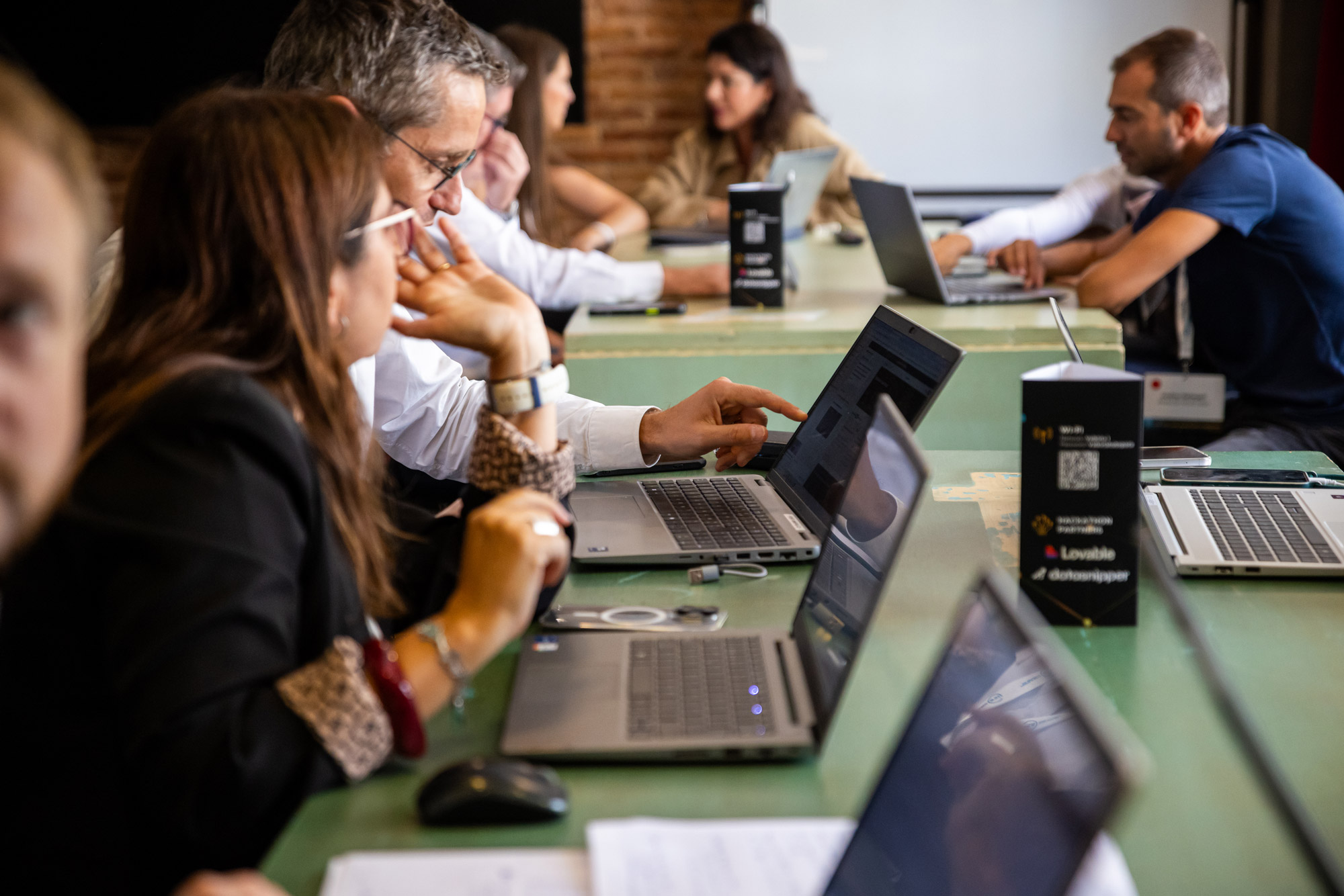
Artificial intelligence is no longer a future-facing discussion for professional services firms. The challenge now is how to move beyond experimentation and identify where the technology can make a meaningful difference to people, clients and the quality of work being delivered.
That shift was at the centre of HLB International’s second Technology & Innovation Symposium, held in Barcelona. Following the inaugural event in London last year, the 2026 Symposium represented a deliberate evolution in HLB’s approach: less focus on discussing AI, and more on giving member firms the opportunity to work hands-on solving the challenges they encounter in their day-to-day.
For HLB, the aim is not simply to encourage greater adoption of AI across its global network. It is to build confidence and capability, helping firms understand where technology can strengthen professional judgement, improve client service and create new opportunities.
As Abu Bakkar, Chief Innovation Officer at HLB International, explained, many firms are currently focused on the efficiency gains AI can provide, from reducing repetitive work to analysing larger volumes of information faster. But the next opportunity goes further.
“Where the opportunity is starting to arise in the next wave of AI, is using it to enhance quality. So, not just making processes faster but also smarter and creating new ways of doing things,” he said.
That distinction shaped the programme in Barcelona.
Moving from listening to building
Rather than the usual presentations, HLB’s Technology & Innovation Symposium centred around a hands-on hackathon. Before delegates started building, however, the programme looked beyond professional services for inspiration.
FC Barcelona opened the day with a high-level view of how the club is exploring AI and other emerging technologies across its organisation. For HLB delegates, the value was less about individual use cases and more about seeing how a very different organisation approaches the same fundamental questions: where technology can add value, where experimentation is appropriate, and where privacy, intellectual property and governance must continue to place clear boundaries around adoption.
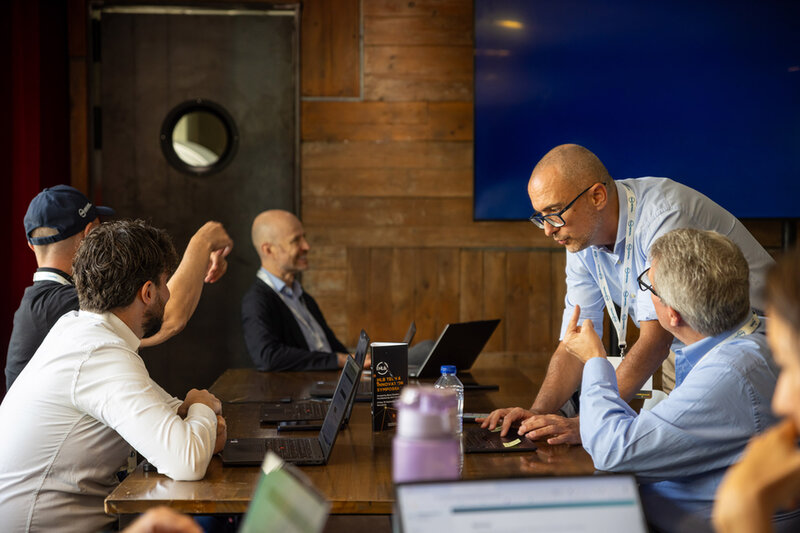
Attendees at HLB Technology & Innovation Symposium 2026, Barcelona
Bringing perspectives from outside the profession challenged firms to think differently about what innovation could look like within their own businesses and set the scene for the practical work that followed.
Vibe-coding experts Lovable then showed how that thinking could be put into practice. Their central argument was that the people closest to a business problem can increasingly play a direct role in creating the software needed to solve it, without the need for a traditional technical background. Lovable’s platform allows users to describe what they want to build through plain English prompts, lowering the technical barrier between identifying a problem and testing a possible solution.
From there, delegates moved quickly to building with the tools themselves. The hackathon challenged teams to take real-world problems, shape potential solutions and turn those ideas into working prototypes before presenting them back to the room. Teams explored challenges including translating new regulatory requirements into client-ready solutions, preparing businesses for e-invoicing requirements, and improving areas such as onboarding and compliance.
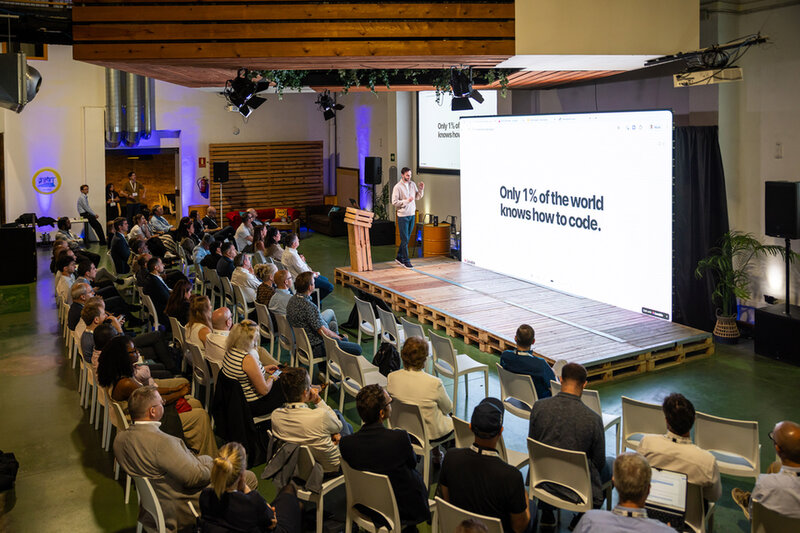
Attendees at HLB Technology & Innovation Symposium 2026, Barcelona
The objective was not to create fully developed products in a single session, but to show how quickly ideas can move from a problem to a tangible solution that can be tested and refined. By the close of the Symposium, teams had built more than 60 working apps, each one addressing a real-world problem faced by firms or their clients.
DataSnipper also supported the symposium alongside Lovable, giving delegates exposure to technology already being widely used across the network, to document-heavy accounting and audit processes.
Domain experts understand where friction exists in their own work. Giving them accessible, intuitive technology allows that knowledge to be translated into new ideas, rather than leaving innovation solely in the hands of dedicated technology teams. This is particularly relevant to HLB’s accounting and advisory firms, where professionals often have deep knowledge of complex processes but may not think of themselves as technology builders.
From experimentation to responsible adoption
The Symposium made clear that lowering the barrier to experimentation does not remove the need for discipline.
HLB Spain firm Bové Montero shared its own AI journey, demonstrating how experimentation can develop into practical application over time. The firm presented examples, including automation around Spanish tax notifications, an internally developed audit platform and the rollout of its AI Academy, which provides a framework for increasing knowledge and adoption across teams.
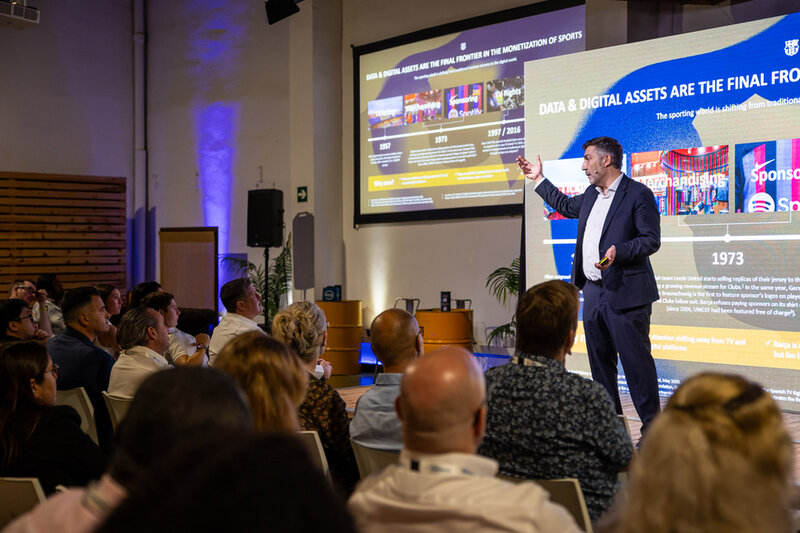
Attendees at HLB Technology & Innovation Symposium 2026, Barcelona
The foundation behind Bové Montero (HLB Spain) approach has been to use the firm itself as a testing ground before extending technology into client-facing work.
That means understanding the underlying process first, developing internal capability and testing solutions against genuine working conditions. Experimentation will not always work first time; Bové Montero (HLB Spain) described how previous technology projects had required reworking once they were used in practice, reinforcing the importance of building internal understanding first. The learnings that come from these failures are exactly what builds the credibility required for client-facing delivery.
That message is significant for a profession where enthusiasm for AI must sit alongside questions around data, regulation, security and professional responsibility.
Bakkar identified the skills gap, legacy systems, the pace of technological change and governance as some of the main challenges firms continue to face. Decisions about what should be automated, which tools are appropriate and how technology fits alongside regulatory expectations remain essential as adoption increases.
Building confidence across the network
The Symposium was intended to create more than a day of experimentation.
For HLB, the longer-term goal is to build a network in which technology capability becomes more widely distributed: where professionals are empowered to innovate, feel confident testing ideas, share what works between firms and take promising concepts further.

Attendees at HLB Technology & Innovation Symposium 2026, Barcelona
The progression from London to Barcelona reflects that ambition. The conversation has moved from understanding what AI could mean for professional services towards giving firms the tools and practical experience to shape how it is used.
Bakkar said success will increasingly be measured by whether ideas generated through initiatives such as the Symposium move into live applications, whether experimentation continues across the network and whether AI is used to augment professional expertise rather than replace it.
The technology itself will continue to change quickly. HLB’s approach is therefore less about betting on any single platform than creating the conditions for firms to keep learning, testing and adapting. Barcelona showed what that can look like in practice: bringing technologists and professional-services specialists together, putting tools directly into the hands of member firms and giving people the time and space to discover just how much they can build with them.