
AI/ML
Annual Quant Insights Conference
A CQF Institute survey at its Q4 2025 Quant Insights Conference found fewer than 7% of quantitative finance professionals believe new graduates are prepared to effectively use AI/ML. Dr. Randeep Gug, managing director at CQF Institute highlights the skills challenges ahead, as firms adopt automation and algorithmic strategies.

The survey highlights an urgent need to bridge the skills gap in quantitative finance as AI becomes a critical asset. With 83% of survey respondents leveraging or developing AI tools, key technologies being used include machine learning (31%), generative AI (31%) - with ChatGPT leading at 31%, followed by Microsoft/GitHub Copilot (17%) and Gemini/Bard (15%) - and deep learning (18%), with 54% of quants using these tools daily. Primarily, quants employ generative AI for coding and debugging (30%), research and market sentiment analysis (21%), and report generation (20%).
AI and machine learning were also cited as foundational in quantitative finance areas, including research/alpha generation (26%), algorithmic trading (19%), and risk management (17%). Nearly half (44%) of the respondents report significant productivity gains. Some 25% of respondents report saving more than 10 hours each week with AI-assisted workflows.

Dr. Randeep Gug,
Managing director, CQF Institute
Despite these productivity benefits, challenges remain. Model explainability is the top barrier (41%), followed by computing costs (17%) and regulatory concerns (16%). Formal AI training is scarce: only 14% of organisations implement formal training programs, such as certification, and only nine percent of new graduates are fully equipped to use these tools.
Though obstacles are inhibiting the pace of AI adoption, momentum is rising. One in four (25%) firms have a formal AI strategy, while another 24% are actively developing one. Most are set to ramp up investments in AI talent, tools, and infrastructure over the next 12 months, with 23% anticipating budget increases of 25% or more, underscoring AI’s growing significance in quantitative finance.
Our future professionals must hit the ground running and know when an AI tool truly adds value.
To bridge this skills gap, the CQF Institute aims to drive global knowledge sharing and professional development through its Certificate in Quantitative Finance (CQF) programme and events like the virtual Annual Quant Insights Conference held November 4–5. Featuring 17 leading experts, including Dr. Paul Wilmott, Professor Carol Alexander, Aaron Brown, and Lisa Goldberg, the Quant Insights Conference sparked dialogue and breakthrough discussions on topics like trading, portfolio theory, AI applications, crypto microstructure, and quantum finance.
Standardised certifications and specialised courses for quantitative finance and investment banking equip quants with the essential tools to drive efficiency and results. Embracing ongoing education and innovative technologies are critical to shape the future of quantitative finance. Those who don’t move forward will be left behind.
Main video supplied by shivkantsharma07/Creatas Video+ / Getty Images Plus via Getty Images
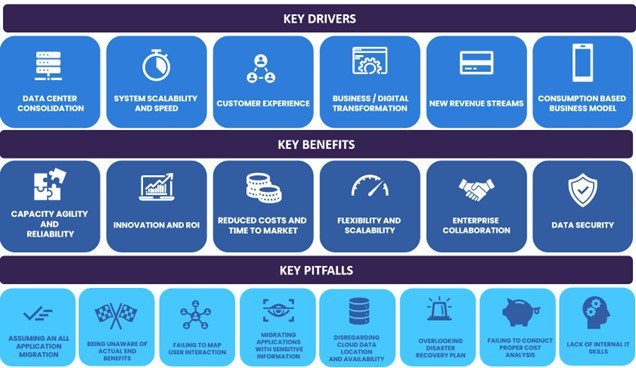
Some key considerations for banks before and during cloud adoption
The Year of Scale
This shift presents a unique opportunity for finance. While most core finance processes are already well established (for better or worse), ESG reporting remains relatively nascent for many organisations. At the same time, the rapid influx of mandatory and recommended sustainability regulations creates a compelling reason to act now. Rather than retrofitting technology onto emerging compliance requirements, finance leaders can take an AI-first approach to designing ESG processes from the ground up – enabling speed, consistency, and auditable transparency by design.
The most forward-looking organisations will not wait until they are forced into scope. They will move early, not just to meet regulatory demands, but to turn ESG into a source of strategic advantage.
To do so, finance leaders must tackle three challenges in parallel:
- Reimagining ESG processes to be AI-enabled
- Reshaping the workforce with the skills and roles needed to operate these processes
- Redesigning the workbench so finance professionals have the right tools to succeed long term